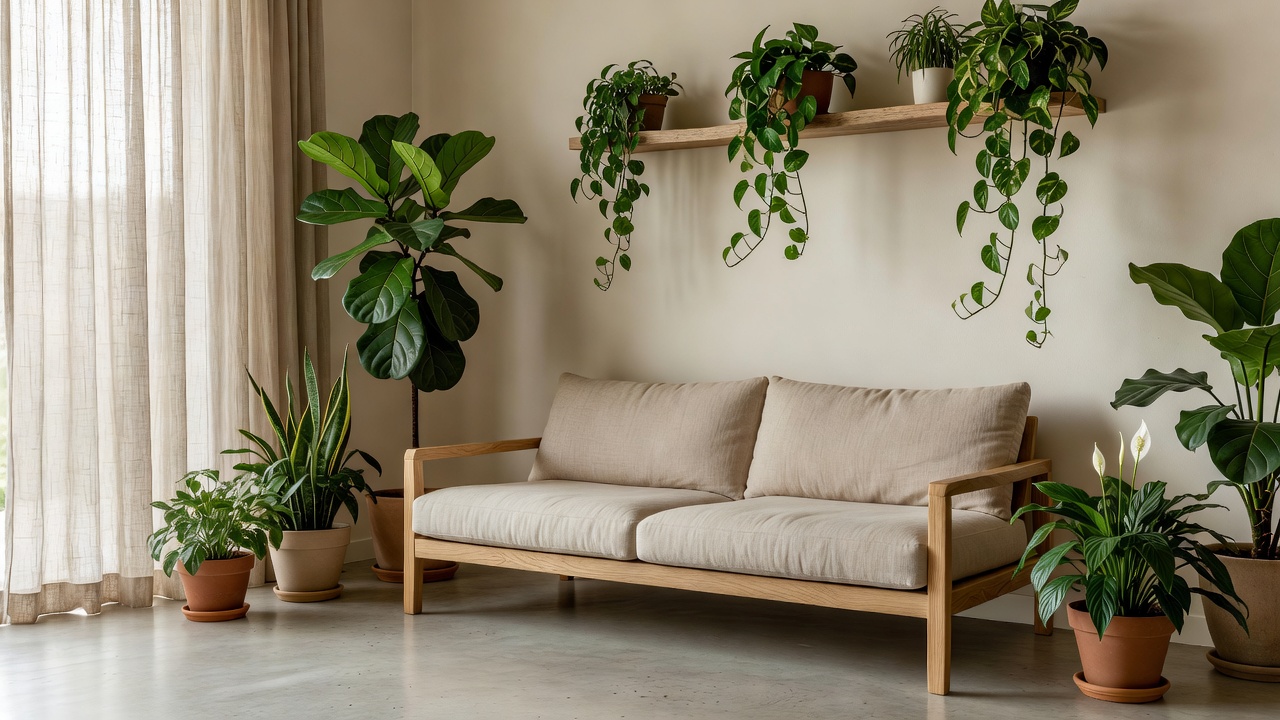
The furniture industry has historically had a significant environmental footprint, characterized by intensive logging, toxic chemical treatments, and massive contributions to landfill waste. As consumer awareness grows, a new category of furniture has emerged: the sustainable sofa. But "sustainability" is a broad and frequently misused term. To make an informed, genuinely eco-friendly purchase, one must examine the materials, the manufacturing processes, and the lifecycle of the product.
Frame Construction: The Foundation of Sustainability
A truly sustainable sofa begins with its skeleton. Cheaply made sofas rely on low-grade plywood or MDF (medium-density fiberboard), which not only breaks down quickly but is often bound together using glues containing formaldehyde—a known carcinogen that off-gasses into your home.
Eco-friendly alternatives utilize solid kiln-dried hardwood sourced from responsibly managed forests. When shopping, look for the FSC (Forest Stewardship Council) certification. This certification ensures that the timber was harvested in a manner that maintains the forest's ecological viability. Bamboo and recycled steel are also excellent, highly sustainable frame alternatives.
Rethinking the Cushion Fill
The standard fill for modern sofa cushions is polyurethane foam, a petroleum-based product that is highly flammable and notoriously difficult to recycle. Furthermore, to meet older fire safety standards, these foams were heavily treated with toxic chemical flame retardants.
Sustainable manufacturers are turning to greener alternatives:
- Natural Latex: Derived from rubber trees, natural latex foam is incredibly durable, biodegradable, and naturally resistant to dust mites and mold.
- Recycled PET Fill: Some brands use down-alternative fluff created entirely from recycled plastic water bottles, keeping plastic out of the oceans while providing a soft, luxurious seat.
- Organic Wool and Cotton: Often used as a wrap around the core foam to provide softness and natural fire resistance without chemical treatments.
Ethical Upholstery Fabrics
The fabric covering your sofa is the most visible element of its sustainability profile. Conventional cotton farming is extremely water-intensive and relies heavily on pesticides. Organic cotton or OEKO-TEX certified fabrics guarantee that no harmful chemicals were used during production.
Other sustainable textiles include hemp and linen, which require significantly less water to grow than cotton. Upcycled fabrics—created from textile waste or recycled synthetic fibers—are also gaining immense popularity in the eco-conscious design world.
The Lifecycle and Circular Economy
Perhaps the most vital component of sustainability is longevity. The most eco-friendly sofa is the one that stays out of the landfill for decades. Brands committed to a circular economy design their sofas to be easily repairable. This means utilizing modular components where a single broken armrest can be replaced, or selling standardized replacement covers so the entire sofa does not need to be discarded when the fabric inevitably wears out.
While sustainable sofas often carry a higher initial price tag due to the cost of ethical labor and premium organic materials, they represent an investment in a healthier home environment and a lower long-term ecological impact.