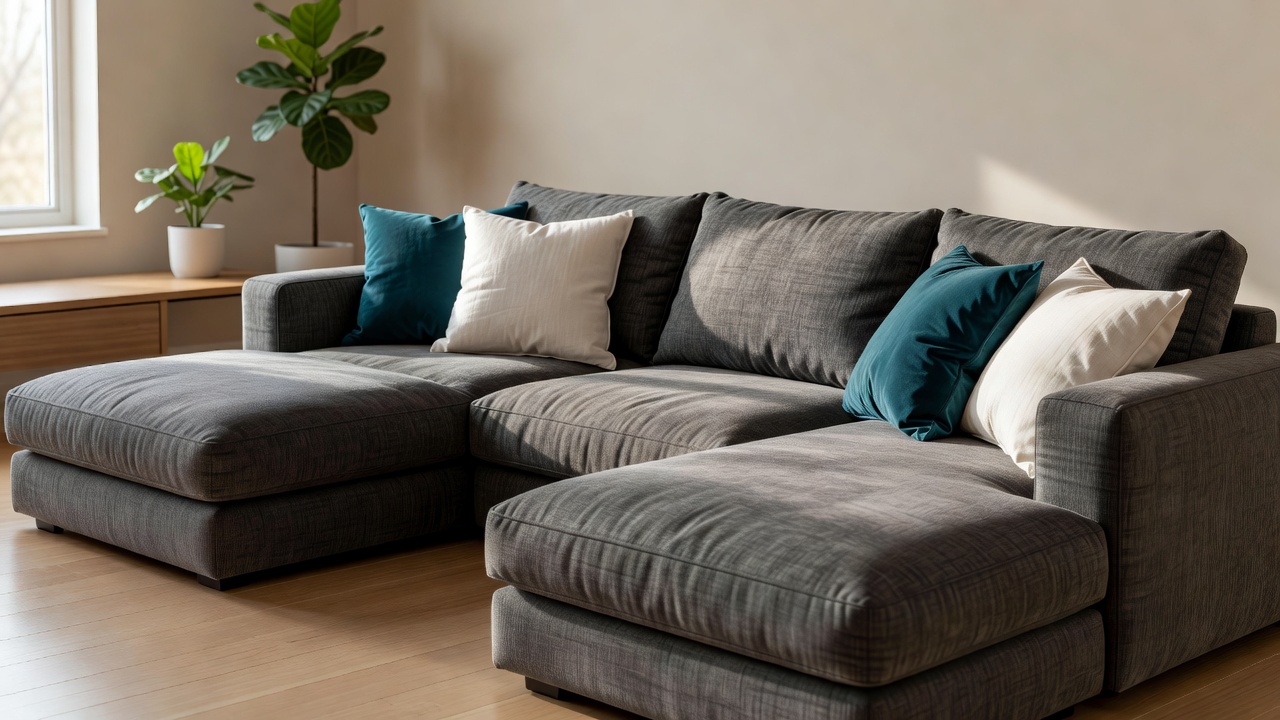
The traditional two- or three-seater sofa has been the cornerstone of living room design for centuries. However, the way we use our homes has changed dramatically. Open-plan living, frequent relocations, and multifunctional spaces have given rise to the popularity of the modular sofa. By breaking the conventional couch down into configurable blocks, modular sofas offer a level of adaptability that static furniture simply cannot match.
What Constitutes a Modular Sofa?
A modular sofa, often referred to as a sectional, is constructed from multiple independent pieces—modules—that can be arranged in various configurations. Unlike a standard sectional, which usually only separates into two or three large pieces intended to be locked in a specific shape, a true modular sofa consists of individual seats, corners, ottomans, and armrests that can be endlessly rearranged. The primary components generally include:
- Corner Units: Crucial for L-shaped or U-shaped layouts, providing an anchor point for the structure.
- Armless Chairs (Slipper Chairs): The building blocks used to extend the length of the sofa.
- Ottomans: Used as floating chaise extensions, coffee tables, or standalone seating.
- End Units with Arms: Used to cap off the ends of a layout.
The Advantages of Modular Seating
The foremost advantage of a modular system is flexibility. If you move into a home with a differently shaped living room, you do not necessarily need to purchase a new couch; you simply reconfigure your existing modules. When hosting a party, a U-shape can be broken apart into several smaller seating clusters to encourage conversation. Furthermore, if a single module gets irreversibly stained or damaged, you only need to replace that specific section, rather than the entire piece of furniture.
Delivery is also significantly easier. Because the pieces are individual boxes, navigating narrow staircases, tight doorways, and small elevators is rarely an issue, solving a common headache for apartment dwellers.
Considerations and Potential Drawbacks
While the benefits are numerous, modular sofas are not without their compromises. The most common complaint relates to the connections. Because the pieces are designed to separate, they can sometimes shift or drift apart on hard floors if the linking mechanisms (often hidden alligator clips or metal brackets) are of poor quality. You must ensure that the brand you select uses a robust connecting system.
Additionally, the aesthetic tends to lean heavily toward modern or casual. The blocky, segmented nature of modular seating means it is difficult to achieve a formal, traditional look (like a Chesterfield or camelback design). The visible seams between every single seat can visually clutter a room if not carefully styled.
How to Choose the Right Configuration
Before purchasing a modular sofa, precise measurements of your room are essential. A common pitfall is underestimating the depth of the modules, which often run deeper than traditional sofas to enhance the "lounging" feel. Use painter's tape to map out the potential footprint on your floor.
Start with a core configuration—usually a standard three-seater or a small L-shape—and determine how many extra armless chairs or ottomans you have space for. Remember that negative space (the empty space around the furniture) is just as important as the furniture itself. Leaving at least 36 inches of walking space around the sofa ensures the room does not feel cramped.
Whether you are outfitting a sprawling family room or a compact urban loft, modular sofas represent an investment in adaptability, ensuring your furniture can evolve in tandem with your lifestyle.