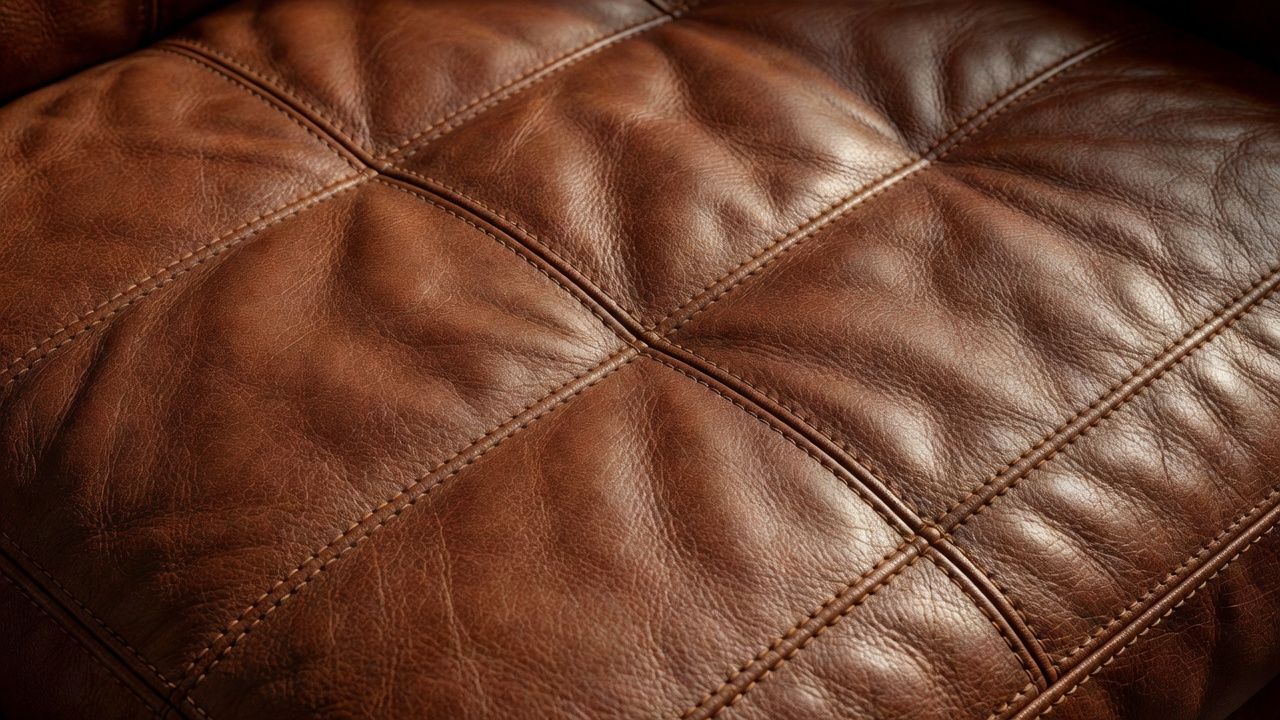
A high-quality leather sofa is often viewed as a serious investment piece. While fabric sofas might need replacing or reupholstering every seven to ten years, a well-maintained leather sofa can endure for decades, often looking better as it ages. However, the term "leather" encompasses a vast range of materials with wildly different lifespans and characteristics. Knowing what you are buying is critical.
Understanding Leather Grades
The durability, feel, and cost of a leather sofa are entirely dependent on the grade of hide used in its construction. The terminology can sometimes be misleading, so it is important to understand the hierarchy of leather quality:
- Full-Grain Leather: This is the highest quality leather available. It uses the entire outer layer of the hide, including all natural imperfections, scars, and pores. It is exceptionally durable and develops a rich patina over time. It is also the most expensive.
- Top-Grain Leather: The second highest grade. The very top layer of the hide is sanded and refined to remove imperfections, resulting in a more uniform, smooth finish. It is slightly thinner than full-grain but remains very durable and is commonly used in high-end furniture.
- Split-Grain Leather: Once the top layer is removed, the remaining bottom layer of the hide is called split leather. It is more fragile and lacks the natural grain texture, so an artificial grain is usually embossed onto it. It is often used on the non-contact areas of a sofa (the back and lower sides) to reduce costs.
- Bonded Leather: This should barely be considered leather. It is made from scraps of leather dust and shavings glued together with polyurethane. It is prone to peeling and cracking within a few years of moderate use and should be avoided for primary seating.
The Beauty of the Patina
One of the most unique aspects of high-quality leather (specifically full-grain and top-grain aniline leather) is its ability to develop a patina. A patina is the soft sheen and darkening of the leather that occurs through absorbing body oils, friction, and exposure to light over years of use. Rather than looking worn out, a leather sofa with a good patina looks rich, lived-in, and full of character. Pigmented leathers (which have a heavy protective coating) are more resistant to stains but will not develop this desirable patina.
Pros and Cons in Daily Life
Leather has several practical advantages. It is naturally hypoallergenic, as it does not harbor dust mites, pet dander, or allergens the way woven fabrics do. It is also highly resistant to spills—a dropped glass of wine can easily be wiped off a protected leather sofa with a damp cloth if caught quickly.
However, leather does have thermal drawbacks. In a cold room, a leather sofa can feel chilly to the touch until your body heat warms it up. Conversely, in a hot, un-air-conditioned room, leather can feel sticky against bare skin. Furthermore, while leather is tough, sharp pet claws can scratch it. While minor scratches blend into the patina of a rugged full-grain hide, they can ruin the pristine look of a smooth, pigmented top-grain sofa.
Care and Maintenance
Maintaining a leather sofa is relatively straightforward but requires consistency. Keep the sofa out of direct, intense sunlight, as UV rays will fade the dye and dry out the hide, leading to cracks. Keep it at least two feet away from heat sources like radiators or fireplaces for the same reason. Dust it regularly with a dry cloth, and apply a specialized leather conditioner once or twice a year to keep the hide supple and hydrated.
Choosing a leather sofa means committing to its care, but in return, you receive a timeless centerpiece that offers unrivaled durability and a classic aesthetic.